


 Olivia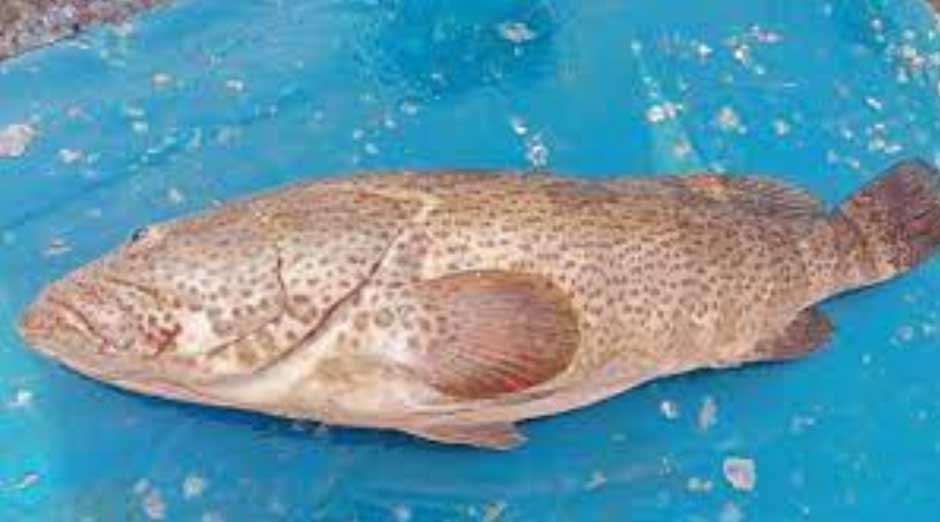
Nature has blessed humanity with many types of seafood, each with its own unique taste, history, and cultural value. Among them, the Hamour fish stands as one of the most loved seafood choices, especially in the Arabian Gulf region. This fish is not just a source of delicious food, but it also holds economic importance, traditional value, and nutritional benefits that many people do not fully know about. For centuries, this fish has been served in homes, restaurants, and grand events. Today, as more people become health-conscious, the demand for seafood is rising globally. But the Hamour fish stands out because of its exquisite taste, firm texture, and the legacy attached with it. In this article, we will explore what makes this fish special, its cultural importance, how it is fished, what health benefits it brings, and why there is now a strong push for sustainable consumption.
Understanding hamour fish
Hamour fish refers mainly to a species of grouper found in the warm waters of the Arabian Gulf. It is especially popular in countries like the UAE, Qatar, Saudi Arabia, Kuwait, and Bahrain. For generations, Hamour has been the centerpiece of many local dishes, often served grilled, baked, or fried. It is a fish that represents tradition and premium taste. The Hamour fish is known for its mild flavor, soft white meat, and ability to absorb spices and marinades well. This is why chefs enjoy cooking it in a variety of styles. In fact, many luxury hotels and top restaurants in Dubai and Abu Dhabi serve this fish as a signature meal.
Nutritional Value and Health Benefits
Hamour is not just flavorful, it is incredibly healthy. It is a lean protein source that supports muscle building and maintenance. It has omega-3 fatty acids, which contribute to heart health, reduce inflammation, and support mental well-being. It contains important vitamins such as B12, which helps in nerve function and red blood cell formation. Hamour fish also provides important minerals like selenium, magnesium, and phosphorus. Selenium works as an antioxidant that protects the body from oxidative stress. Magnesium supports muscle function and energy production. Phosphorus helps in maintaining strong bones and teeth. Because this fish is low in saturated fats, it is a healthy option for people who are focused on weight management or healthy eating. Its low calorie count makes it suitable for people who want a diet that is both light and satisfying.
Cultural and Economic Importance in the Gulf
In the Gulf region, fishing has been part of life for hundreds of years. Before oil production changed the economies of the Middle East, people relied heavily on the sea for income, food, and trade. The Hamour fish was one of the main species that fishermen would catch and sell in local markets. Even today, when Gulf countries have become globally recognized for business, tourism, and technology, Hamour remains a symbol of tradition. The fish is served during special gatherings, family celebrations, and cultural festivals. In many households, elders prefer Hamour because it connects them to their roots. Restaurants also use Hamour to offer tourists a taste of authentic Gulf cuisine. This way, it plays a role not only in culture but in tourism as well.
The Rising Problem
As global travel increased, greater numbers of tourists discovered the taste of Hamour. Therefore, international demand increased. But this caused a major problem: overfishing. The fish takes time to grow and reproduce. When large fishing companies catch too many Hamour fish at once, the population cannot recover quickly. Marine scientists in the region have shown concern that Hamour stocks have dropped. This is dangerous because if a species becomes too limited, it can collapse completely. Conservation campaigns, fishing limits, and awareness programs are now very important to protect this iconic species. Some countries have now placed seasonal bans to allow fish populations to rebuild. In the UAE, there are strict measures on hamour fishing to balance supply and protect the environment. Customers are also being encouraged to choose sustainable sources or explore alternative fish species with similar taste to reduce pressure on the Hamour population.
Cooking Methods and Famous Dishes
Hamour is a versatile fish. In the Gulf, one traditional way to cook it is grilling with Arabic spices, lemon, olive oil, and herbs. It is also used in fish biryani, served with fragrant rice and spices. Another common method is to fry it with batter, which gives it a crispy golden layer. In modern restaurant kitchens, chefs experiment with international styles such as Italian-style Hamour baked in tomato sauce, or Chinese-style steamed Hamour with ginger and spring onions. The fish’s soft texture makes it ideal for marination and slow cooking. It does not break quickly like some delicate fish, so it holds its shape during cooking. This is one reason why premium restaurants enjoy using Hamour in signature dishes.
Conclusion
Hamour fish is more than just seafood; it represents culture, flavor, tradition, and identity in the Gulf. It holds nutritional value, economic impact, culinary versatility, and deep emotional attachment among the people of this region. But with this love comes responsibility. Overfishing has created a risk that future generations might not get to enjoy this fish the same way. Sustainable fishing practices, informed consumer choices, and eco-friendly policies are essential to protect this treasure of the sea. The Hamour fish has a story and a legacy. If handled wisely, it will continue to feed, delight, and connect people for many years to come.