


 Olivia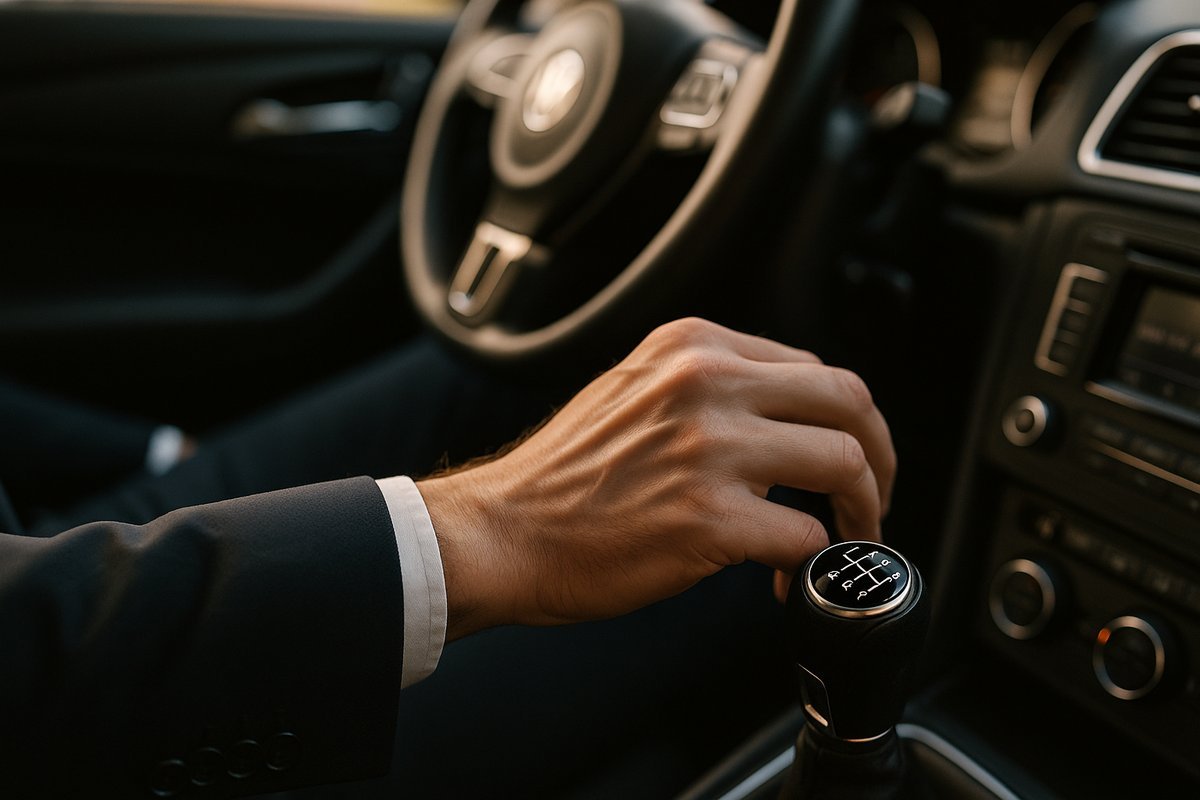
More Than Just a Gear Change
For many, the term “switching 2nd” might sound like a simple mechanical action. It is, however, a critical milestone in a driver’s journey towards mastering a manual transmission vehicle. It represents the transition from the initial, raw power of first gear to the smoother, more controlled momentum of second gear.
This shift is more than just moving a lever; it is about understanding the rhythm of the car and the flow of the road. It is a dance between the driver, the engine, and the environment, and getting it right is a mark of true driving proficiency.
Why It’s a Foundational Driving Skill
Mastering the art of switching 2nd is fundamental for several reasons. A smooth shift ensures a comfortable ride for both the driver and passengers, eliminating the jarring lurches that often accompany a poorly executed gear change.
Beyond comfort, a well-timed shift to second gear is crucial for the health of the vehicle. It prevents unnecessary strain on the engine and transmission, contributing to the longevity of the car and reducing the likelihood of costly repairs. It also plays a significant role in fuel efficiency, as a smooth transition allows the engine to operate in its optimal power band.
The Mechanics Behind a Perfect Shift
Understanding the Clutch and Transmission
At the heart of a manual transmission car is the clutch, a mechanism that engages and disengages the power from the engine to the transmission. When the clutch pedal is pressed, the connection is broken, allowing the driver to select a new gear.
The transmission itself is a gearbox filled with gears of different sizes. First gear, being the largest, provides the most torque for getting the car moving from a standstill. Second gear is smaller, allowing for higher speeds with less engine effort.
The Role of RPMs
Revolutions Per Minute, or RPMs, are a measure of how fast the engine is spinning. The key to a smooth shift is to change gears at the right RPM. Shifting too early, at a low RPM, can cause the engine to bog down or even stall.
Shifting too late, at a high RPM, can cause the engine to scream and waste fuel. While the ideal RPM for shifting varies between cars, a general rule of thumb is to shift to second gear between 2,000 and 3,000 RPMs.
A Step-by-Step Guide to Switching 2nd
Preparing for the Shift
The process begins in first gear. As the car accelerates, the driver should listen to the engine and watch the tachometer. As the RPMs climb into the optimal range, it is time to prepare for the shift.
The driver should smoothly release the accelerator pedal while simultaneously pressing the clutch pedal all the way to the floor. This coordinated action is crucial for a seamless transition.
Executing the Shift
With the clutch fully depressed, the driver can now move the gear lever from first to second gear. The movement should be deliberate but not forced. A well-maintained transmission will allow the lever to slide into place with minimal effort.
It is important to follow the gear pattern of the specific vehicle, which is usually displayed on the top of the gear knob. For most cars, second gear is directly below first.
Post-Shift Actions
Once the gear lever is in second gear, the driver can begin to smoothly release the clutch pedal. At the same time, they should start to apply gentle pressure to the accelerator.
This delicate balance between releasing the clutch and applying the gas is what ensures a smooth, jerk-free shift. Once the clutch is fully engaged, the driver can continue to accelerate as needed.
Common Mistakes and How to Avoid Them
Shifting Too Early or Too Late
One of the most common mistakes is improper timing. Shifting too early will result in a loss of power and a sluggish response from the car. Shifting too late will lead to a noisy, inefficient, and potentially damaging gear change.
To avoid this, drivers should practice listening to their engine and getting a feel for the car’s unique power band. With time, the right moment to shift will become second nature.
Jerky Clutch Control
Another frequent error is releasing the clutch too quickly. This “dumping” of the clutch causes the car to lurch forward, creating an uncomfortable and uncontrolled experience.
The key is to be smooth and gradual with the clutch release. It is a progressive action, not an on/off switch. Practicing in an empty parking lot can help develop the muscle memory for a smooth clutch release.
Forgetting the Throttle
Forgetting to apply the throttle as the clutch is being released is another common pitfall. This can cause the car to hesitate or even stall, especially on an incline.
The coordination between the clutch and the throttle is essential. As the clutch comes up, the gas pedal should go down, creating a seamless transfer of power.
Mastering Switching 2nd in Different Scenarios
Navigating City Traffic
City driving often involves a lot of starting and stopping, which means frequent shifting between first and second gear. In these situations, it is important to be smooth and gentle with the controls.
Anticipating the flow of traffic can also help. By leaving a safe following distance, drivers can often avoid coming to a complete stop, allowing them to stay in second gear for longer periods.
Conquering Hills
Shifting on a hill presents a unique challenge, as the car will want to roll backward. To prevent this, drivers can use the handbrake to hold the car in place while they execute the shift.
Another technique is to find the “biting point” of the clutch, where it just begins to engage. By holding the clutch at this point and applying a small amount of throttle, the driver can hold the car on the hill without using the brake.
Performance Driving Techniques
In a performance driving context, the goal is often to shift as quickly as possible to maintain momentum. This requires a more aggressive approach, with faster clutch and throttle actions.
Techniques like rev-matching, where the driver “blips” the throttle to match the engine speed to the new gear, can also be used for even smoother and faster shifts.
Beyond the Basics: Advanced Switching Techniques
Introduction to Rev-Matching
Rev-matching is a technique used to smooth out downshifts, but the principle can also be applied to upshifts. It involves momentarily increasing the engine RPMs to match the speed of the next gear.
While not strictly necessary for everyday driving, rev-matching can result in an incredibly smooth gear change and is a hallmark of an experienced driver.
The Art of Heel-Toe Shifting
Heel-toe shifting is an advanced technique primarily used in racing. It allows the driver to brake and downshift at the same time, which is crucial for maintaining speed and balance through a corner.
While it takes a lot of practice to master, heel-toe shifting is a rewarding skill that can take a driver’s abilities to the next level.
Conclusion: The Journey to a Smoother Drive
Switching 2nd is more than just a mechanical process; it is a skill that, once mastered, can transform the driving experience. It is a journey that takes patience, practice, and a willingness to learn from mistakes.
By understanding the mechanics, practicing the techniques, and paying attention to the car’s feedback, any driver can learn to shift with the smoothness and confidence of a seasoned pro. The reward is a more enjoyable, efficient, and connected driving experience.