



 Olivia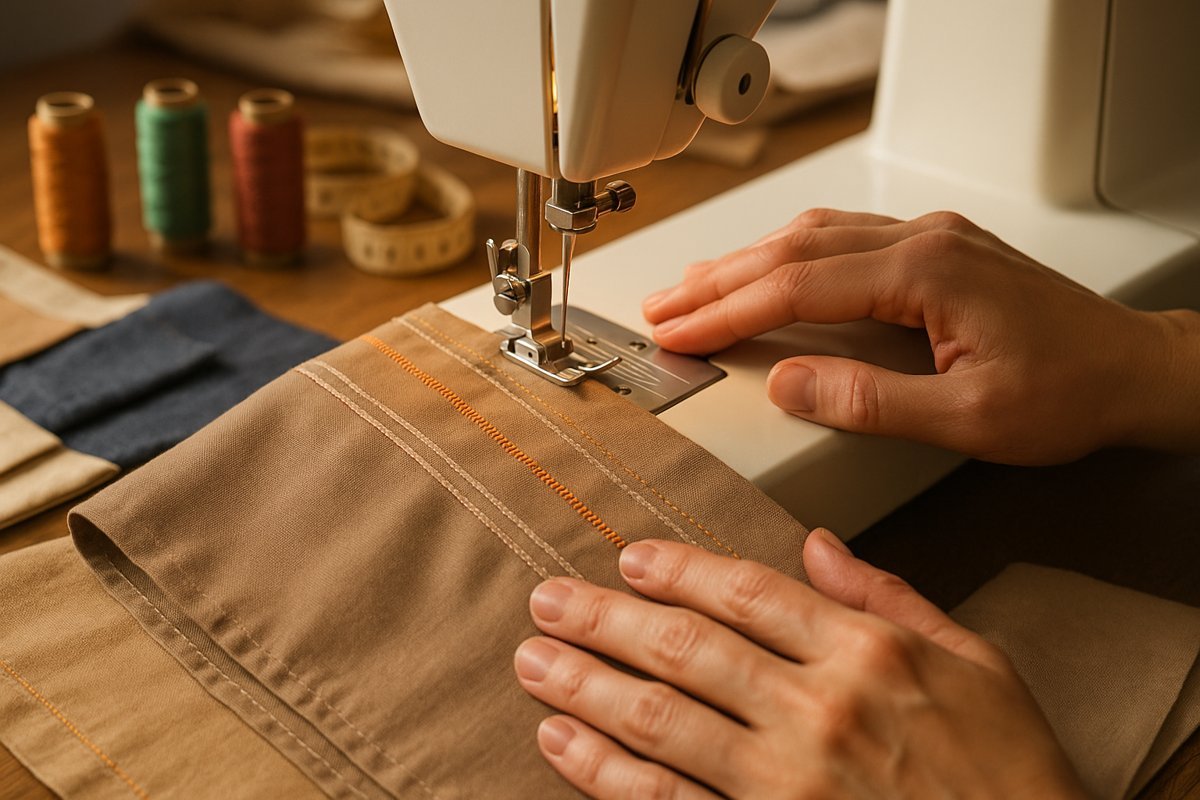
What are Nahttypen?
More Than Just a Seam
In the intricate world of sewing and garment construction, the term Nahttypen stands as a cornerstone of the craft. This German word, translating to “seam types,” encompasses the diverse techniques for joining fabrics. It’s a concept that goes far beyond a simple line of stitches, representing a critical element that shapes a garment’s structure, ensures its durability, and defines its final aesthetic.
Grasping the nuances of different nahttypen is much like a chef mastering their knife skills; each seam type has a specific purpose and can dramatically alter the final creation. The rugged seams of a pair of jeans and the delicate finish on a silk blouse are both testaments to the power of a well-chosen seam, reflecting the quality and craftsmanship of the work.
Why Choosing the Right Nahttyp Matters
Choosing the right nahttyp is a pivotal decision in any sewing project. A well-executed seam can enhance a garment’s drape, provide essential flexibility, and ensure it stands the test of time. On the other hand, an ill-suited seam can result in puckering, tearing, or a finish that undermines the entire design.
The fabric’s type, weight, and the garment’s intended use are all crucial factors in determining the most suitable seam. A thoughtfully selected nahttyp not only extends the life of the garment but also serves as a hallmark of the sewer’s skill and meticulous attention to detail.
The Core Nahttypen Every Sewer Should Know
The Plain Seam: Simplicity and Versatility
The plain seam stands as the most fundamental and widely used of all nahttypen. It’s created by aligning two pieces of fabric with their right sides facing and stitching along the designated seam line. To reduce bulk, the seam allowances are usually pressed open.
Its very simplicity is its greatest strength, making it a versatile option for a vast array of fabrics and projects. Although it may need extra finishing to prevent fraying on certain materials, the plain seam remains the bedrock of garment construction.
The French Seam: Elegance for Delicate Fabrics
When working with sheer and lightweight fabrics such as silk or chiffon, the French seam is the ultimate choice for achieving an elegant and pristine finish. This refined technique encases the raw fabric edges within the seam, creating a beautifully polished look on both the interior and exterior of the garment.
Although it demands a bit more time and precision, the French seam’s delicate and professional appearance is unparalleled, making it the perfect choice for lingerie, blouses, and other fine apparel.
The Flat-Felled Seam: Strength for Heavy-Duty Wear
Instantly recognizable on any pair of jeans, the flat-felled seam is the undisputed workhorse of the nahttypen family. This robust seam is constructed by folding one seam allowance over the other and securing it with a line of topstitching. The result is a highly durable and clean finish with no exposed raw edges.
Its inherent strength and resilience make it the ideal choice for heavy-duty garments like denim jeans, rugged workwear, and durable outerwear, where longevity is the primary concern.
The Overlock Seam: A Professional Finish for Knits
The overlock seam, produced with a serger or overlocking machine, is the industry standard for commercially made knit garments. In a single, efficient step, this seam trims the fabric edge and encases it in a thread casing, yielding a professional and flexible finish.
This makes it the perfect choice for knit fabrics such as jersey and fleece, as it allows the seam to stretch in harmony with the fabric while effectively preventing the edges from fraying or curling.
Decorative and Specialty Nahttypen
Topstitching: Adding Style and Strength
Topstitching consists of a row of stitches that are visible on the exterior of a garment. It’s a versatile technique used not only for decorative purposes but also to provide additional strength. It can be employed to accentuate a seam, create a distinct pattern, or simply to secure a seam allowance.
This simple yet effective technique can elevate the overall look of a garment, lending it a more professional and polished appearance.
Bound Seams: A Clean and Decorative Edge
A bound seam is crafted by encasing the raw edges of a seam allowance with a strip of fabric, typically bias tape. This method results in a neat and decorative finish, offering an opportunity to introduce a pop of color or a contrasting texture to the garment’s interior.
It’s a favored choice for unlined jackets and coats, where the inside of the garment remains visible and a clean, aesthetically pleasing finish is paramount.
Matching Nahttypen to Your Fabric
A Quick Guide to Fabric and Seam Pairings
Pairing the right seam with your fabric is essential for achieving optimal results. For lightweight cottons, a plain or French seam is usually sufficient. In contrast, durable fabrics like denim and canvas require the robust strength of a flat-felled seam.
For the most delicate silks and chiffons, the French seam is the undisputed champion for a truly professional finish. When you’re working with knit fabrics, an overlock or zigzag seam is essential to accommodate stretch and prevent unsightly fraying.
Common Mistakes to Avoid
Choosing the Wrong Seam for Your Fabric
One of the most frequent missteps in sewing is choosing a seam that is incompatible with the fabric. This can lead to a seam that is either too bulky or too weak, or one that causes the fabric to pucker and distort.
Investing the time to carefully consider the fabric’s weight, drape, and stretch is crucial for selecting a nahttyp that will enhance both the material and the overall design.
Forgetting to Finish Your Seams
Neglecting to finish the raw edges of a seam is another common oversight. With woven fabrics, this can lead to fraying, which can ultimately compromise the seam’s integrity. On knit fabrics, unfinished edges have a tendency to curl, resulting in a messy and unprofessional appearance.
Employing techniques such as overlocking, zigzag stitching, or using pinking shears to finish the seam allowances is a vital step in crafting a durable and long-lasting garment.
Conclusion: Mastering the Art of Nahttypen
The journey to mastering the art of nahttypen is a transformative one, elevating a novice sewer to the level of a skilled artisan. A deep understanding of the strengths and weaknesses of each seam type, and the knowledge of when to employ them, is a skill honed through dedicated practice and hands-on experience.
By investing the time to select the perfect nahttyp for your project, you are doing more than just sewing a garment; you are crafting a piece that is built to last, with a professional finish that is a testament to your dedication and passion for the art of sewing.


