


 Olivia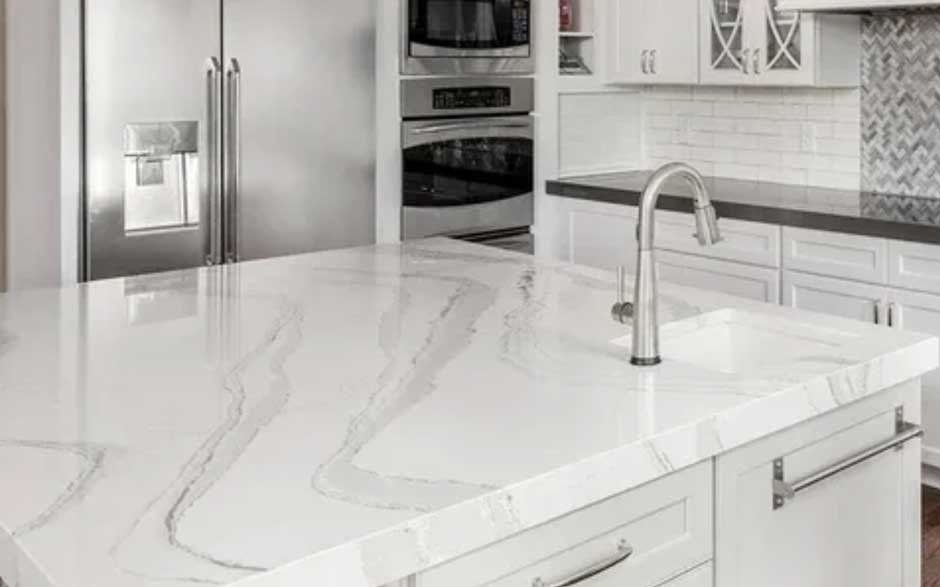
Marble countertops are admired for their elegant veining, smooth texture, and luxurious appeal. However, unlike some engineered materials, marble is naturally softer and more porous. This means it requires gentle but consistent care to preserve its shine and beauty. Whether you have recently completed a marble countertop installation or you use marble for kitchen countertops, proper maintenance is the key to keeping the surface bright, polished, and long-lasting.
Understanding Marble’s Natural Characteristics
Marble is formed when limestone undergoes metamorphosis through heat and pressure. This process creates a stone with unique minerals and crystalline patterns that make each slab distinctive. However, these same characteristics make marble sensitive to acids, moisture, and heavy impact.
Porosity and Absorption
Marble absorbs liquids more easily than granite or quartz. Spills like wine, lemon juice, or vinegar can seep into the surface if not cleaned promptly. This natural porosity is why sealing and daily care are essential.
Soft Surface with Delicate Veining
While marble is durable, its smooth surface can scratch or etch when exposed to abrasive materials or acidic substances. Understanding these limitations helps guide proper care techniques.
Daily Cleaning Practices for Marble
Daily cleaning keeps marble looking fresh and prevents buildup of residue that can dull the shine.
Use Mild, Stone-Safe Cleaners
A soft cloth with warm water and a gentle pH-balanced cleaner is ideal. Avoid acidic or abrasive products, as they damage the surface. Even with strong marble for kitchen countertops, harsh cleaners should never be used.
Wipe Spills Immediately
Prompt cleaning prevents stains. Substances like coffee, wine, citrus juices, and oils can permanently discolor the surface if left too long. Quick action protects the stone and maintains its clarity.
Weekly and Monthly Care Routines
Beyond daily cleaning, weekly and monthly maintenance strengthens the surface and enhances its polished look.
Polishing for a Reflective Shine
Using a marble-safe polish once a week restores shine and enriches the stone’s natural patterns. The polish acts as a protective layer, enhancing the surface’s resistance to minor scratches.
Deep Cleaning With Stone-Safe Products
Occasionally, a deeper clean may be necessary to remove stubborn residue. Use cleaners designed specifically for marble to maintain its finish without harming the surface.
Importance of Sealing Marble Countertops
Sealing marble is one of the most important steps in long-term care, especially after marble countertop installation.
How Sealants Protect Marble
Sealants reduce marble’s porosity, creating a protective barrier against moisture, oils, and staining agents. While they do not make the stone completely stain-proof, they significantly reduce absorption.
How Often Should You Seal Marble?
Most marble countertops require sealing every 6–12 months. Kitchens with frequent use may need more frequent sealing. A simple water test can help: place a few drops of water on the surface. If the stone darkens quickly, it’s time to reseal.
Preventing Etching and Surface Damage
Marble is sensitive to acids, heat, and abrasive materials. Preventive habits help maintain its beauty.
Use Cutting Boards and Soft Cloths
Never cut directly on marble. Cutting boards prevent scratches and keep the surface smooth. Soft microfiber cloths reduce the risk of abrasion during cleaning.
Protect Marble From Acidic Substances
Acidic items like lemon, tomatoes, vinegar, and wine can etch the surface, leaving dull spots. Even brief contact can cause damage, so protective mats and bowls are helpful in food preparation areas.
Heat Protection for Marble Surfaces
While marble is heat-resistant, it is not heat-proof.
Use Trivets for Hot Cookware
Avoid placing hot pots or pans directly on the surface. Sudden temperature changes can weaken the stone or damage sealants. Trivets and heat pads maintain surface integrity.
Avoid Direct Heat Exposure
Appliances that radiate heat, such as slow cookers or toaster ovens, should be placed on heat-safe mats.
Handling Stains and Etches
Even with proper care, occasional stains or etching may occur. Knowing how to treat these issues prevents further damage.
Treating Organic and Oil-Based Stains
For oil-based stains, a poultice paste can draw out the absorbed substance. Organic stains caused by food or beverages often lighten with stone-safe cleaners and mild scrubbing.
Addressing Etching Marks
Etches appear as dull spots caused by acid exposure. Mild etches can be buffed with marble polishing powder. Deep etches may require professional refinishing.
Professional Care for Long-Term Maintenance
Over the years, marble may require specialized care to restore or maintain its surface.
Professional Polishing and Refinishing
Experts use advanced equipment to polish dull or scratched marble, restoring its shine and smoothness. Refinishing eliminates deeper imperfections and renews the surface completely.
Re-sealing by Professionals
If sealing has worn down unevenly, professional resealing enhances protection and ensures complete surface coverage.
Conclusion
Marble countertops are a beautiful investment that elevate home interiors with their natural elegance. To keep them shining, consistent care is essential. From daily cleaning to regular sealing, each step helps maintain their smooth finish and refined appearance. Whether you rely on experts for marble countertop installation or enjoy the sophistication of marble for kitchen countertops, proper care ensures that your marble surfaces remain luxurious, glossy, and timeless for years to come.