
 Olivia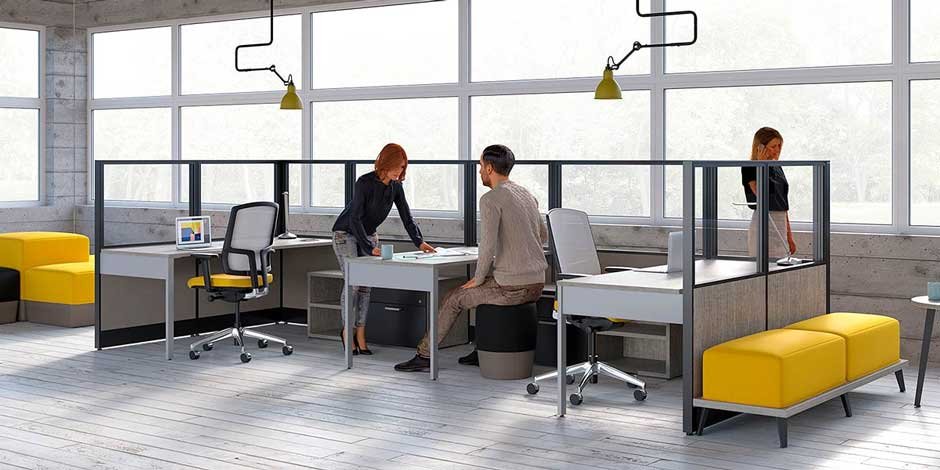
The workplace of 2025 is no longer defined by rigid partitions and uniform rows of desks. Instead, it reflects a dynamic shift toward human-centric design, where office cubicles are crafted to inspire productivity, creativity, and well-being. As hybrid work models and flexible schedules become the norm, companies are reimagining cubicle layouts to meet the evolving needs of their teams. The result is a new generation of workspaces that are adaptive, inclusive, and deeply attuned to the rhythms of modern work.
From Isolation to Integration
Traditional office cubicles west palm beach were often synonymous with isolation. High walls, limited visibility, and static configurations created environments that discouraged interaction and stifled creativity. In 2025, that paradigm has shifted. Modern cubicle designs emphasize integration—both with the surrounding office and with the people who inhabit them. Low-profile partitions, transparent dividers, and open layouts allow for visual connection while still preserving personal space. These designs encourage spontaneous collaboration and make it easier for teams to communicate without sacrificing focus.
The integration of communal zones within cubicle clusters is another hallmark of contemporary design. Small breakout areas, shared whiteboards, and lounge-style seating are strategically placed to support informal meetings and idea exchanges. This fluidity between individual and group workspaces reflects a deeper understanding of how productivity thrives in environments that balance solitude with social engagement.
Ergonomics as a Foundation
In 2025, ergonomic design is no longer a luxury—it’s a baseline requirement. Office cubicles are now equipped with adjustable desks, supportive chairs, and monitor arms that promote healthy posture and reduce physical strain. These features are not just about comfort; they are essential tools for sustaining energy and concentration throughout the workday.
Designers are also paying closer attention to sensory ergonomics. Lighting is optimized to reduce glare and mimic natural daylight, while acoustic panels and sound-absorbing materials help manage noise levels. Temperature control, air quality, and even scent are considered in the overall cubicle experience. By addressing these subtle but impactful factors, modern cubicles create environments where employees can perform at their best without distraction or discomfort.
Adaptive Layouts for Diverse Workstyles
One of the most exciting developments in cubicle design is the rise of adaptive layouts. Recognizing that no two employees work the same way, companies are investing in modular systems that can be customized to suit different roles and preferences. A designer might need a spacious surface for sketching, while a data analyst may prefer multiple monitors and minimal clutter. Adaptive cubicles allow for these variations, offering interchangeable components and flexible configurations.
This adaptability extends to the broader office layout. Cubicles can be rearranged to accommodate project-based teams, seasonal shifts, or organizational growth. Mobile partitions, foldable desks, and plug-and-play technology make it easy to reconfigure spaces without major renovations. This responsiveness to change not only improves workflow but also signals a culture of agility and innovation.
Sustainability Meets Style
Environmental responsibility is a defining feature of office design in 2025. Modern cubicles are built with sustainable materials such as recycled metals, reclaimed wood, and low-VOC finishes. Bamboo panels, biodegradable fabrics, and modular components reduce waste and support circular design principles. These choices reflect a growing commitment to eco-conscious practices, both from companies and the employees who value them.
Sustainability does not come at the expense of style. Today’s cubicles are sleek, modern, and visually appealing. Designers blend natural textures with minimalist aesthetics to create spaces that feel both professional and inviting. Color palettes are chosen to enhance mood and focus, with calming neutrals and energizing accents used strategically throughout the office. The result is a workspace that looks good, feels good, and does good—for both people and the planet.
Technology Integration for Seamless Work
Technology is deeply embedded in the cubicle experience of 2025. Wireless charging stations, integrated power outlets, and smart lighting systems are standard features. Cubicles are designed to support virtual collaboration, with built-in cameras, microphones, and acoustic treatments that enhance video calls. Touchscreen panels allow employees to control lighting, temperature, and privacy settings with ease.
Data-driven design is also on the rise. Sensors embedded in cubicles can monitor occupancy, air quality, and noise levels, providing real-time feedback to facility managers. This information helps optimize space usage and ensures that the office remains a comfortable and efficient environment. Technology is no longer an add-on—it’s a seamless part of the workspace that empowers employees to work smarter and more effectively.
A Culture of Empowerment
Ultimately, the most important aspect of modern cubicle design is its impact on culture. By creating spaces that support autonomy, collaboration, and well-being, companies send a powerful message: we trust our people, and we care about their experience. Employees who feel supported by their environment are more likely to be engaged, motivated, and loyal.
In 2025, office cubicles are not just places to sit—they are platforms for productivity, creativity, and connection. They reflect the values of the organization and the aspirations of the workforce. As businesses continue to evolve, the cubicle will remain a central element of the office—reimagined, refined, and ready to inspire. Discover innovative workspace solutions tailored to your business needs at corporateofficeint.com—where design meets functionality.