


 Olivia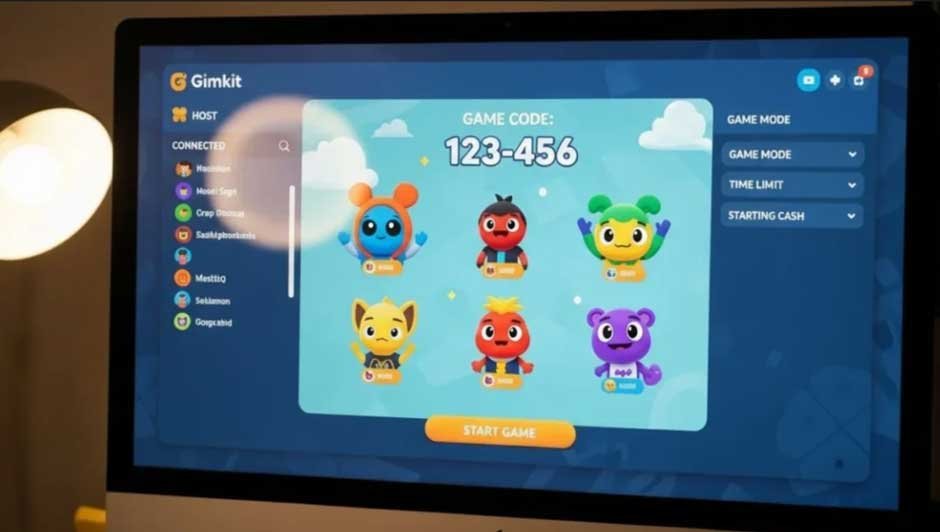
In the present digital age, teachers have a continuous demand for methods to enhance the classroom learning experience by making it more engaging, interactive, and enjoyable. One such platform that has risen above others is Gimkit, a creative, game-inspired educational tool that allows teachers and learners to turn quizzes into a thrilling rivalry. Suppose you’re a beginner in Gimkit or are into hosting a Gimkit game. In that case, this comprehensive manual will guide you through the entire process from installation to playing the game, and even provide you with tips for increasing engagement in your classroom.
What is Gimkit?
Gimkit Host is an e-learning platform that integrates quizzes, games, and strategies into one experience. It was initially developed by a high school student who aimed to make studying less boring. The platform gives teachers the ability to generate question sets (or “kits”) that can be answered by students either in real-time or at their own convenience. Every right answer gives players in-game money which can be used for upgrading, power-ups, and other strategic tools for scoring higher.
Gimkit, unlike the traditional quiz platforms, integrates learning with competition and teamwork that are attractive to students, thus keeping them motivated while the knowledge of the subject is being strengthened.
Why Use Gimkit in The Classroom?
Before going into details of how to host a Gimkit game, it is essential to know the reasons why teachers worldwide are embracing this platform. The following are some reasons that set Gimkit apart:
Gamification as a Resounding Feature of Engagement:
The participation of students is full of zeal, because the whole thing is more like a video game rather than a test.
Instantaneous Feedback:
The learners are given instant feedback on every question, so they are able to learn from their mistakes in real time.
Customizable for All Types of Subjects:
Gimkit is very much a part of all types of content whether it is mathematics, science, history, or language arts.
Insights Based on Data:
Teachers will be able to monitor the performance of students and pinpoint the areas where individual students or groups need more assistance.
Different Modes of Games:
Gimkit provides the option of playing from live sessions with competition to homework modes, thus lending itself easily to both in-class and remote environments.
How to Host a Gimkit Game
Hosting a Gimkit game is really easy, even if you are a beginner! Just follow these steps and you will be on the way:
Step 1: Sign Up or Log In
Visit the website and create a free teacher account. You can sign up using your Google or email account. After you sign in, you will be taken to the dashboard, where you are able to create, import, or explore kits (sets of questions).
Step 2: Create or Choose a Kit
You have the option to:
- Make a new kit: Hit “New Kit,” provide a name, and start entering the questions one at a time or get them from Quizlet, spreadsheets, or the like.
- Select from existing kits: Gimkit has a public library that includes a collection of pre-made kits made by other teachers. You can search by subject or topic and adjust them if necessary.
Each question can contain text, images, and multiple-choice options. Including images or short descriptions usually makes questions more interesting.
Step 3: Choose a Game Mode
The moment your kit is all set up, go ahead and hit “Host” to get the game rolling. Gimkit gives a selection of game modes, including:
- Classic Mode: contestants attempt to collect virtual money as individuals.
- Team Mode: Students work in groups to accomplish shared goals.
- Trust No One (inspired by Among Us): mixes strategy with answering quiz questions.
- The Floor Is Lava, Snowbrawl, and Draw That: thematic or seasonal modes that bring fun and keep learning alive.
- HW Mode: Students will play at different times and answer questions, each their own pace.
Every mode brings a different learning dynamic; thus you can pick one that matches your class goals.
Step 4: Customize Game Settings
You can customize a variety of settings before starting the game:
- Time limit
- Players (numbers)
- Power-ups (availability)
- Goal amount (for money-based modes)
- Music or theme selections
The options available make your game fit perfectly into your lesson plan while keeping the gameplay balanced.
Step 5: Game Code Sharing
After setting is done, hit the “Continue” button and the system will assign a unique game code. The direct join link or code can be shared with the students. They can join by going to gimkit.com/join on their device and entering the code.
Step 6: The Game Begins
Click on “Start Game” when everyone is on board. The pupils will answer questions live, generating money and buying advancements. Teacher dashboard displays the scoring and progress, so you can always check.
How Students Join a Gimkit Game
For students, it is very easy to take part:
- Go to gimkit.com/join
- Input the game code that the teacher has given
- Write their name or nickname
- Be on standby for the teacher to kick off the session
No student account is needed for live games thus making the setup process fast and straightforward.
Post-Game Reports and Analysis
After the game finishes, Gimkit gives out comprehensive performance reports. Among the contents of these reports are:
- Accuracy of individuals and the entire class
- Questions that were mostly missed
- Average time taken to respond
- Strength and weakness assessment
Teachers may utilize this data to modify their teaching methods, revisit hard concepts, or even recognize and reward the top performers. It is an effective tool to convert play into insights that can lead to learning.
Tips to Make Your Gimkit Host Game More Effective
To get the most out of Gimkit, try the following strategies:
Start Small:
If your students are new to Gimkit, begin with a short game. This helps them learn the mechanics without feeling overwhelmed.
Use It for Review Sessions:
Gimkit is perfect for pre-test reviews or reinforcing key concepts. Turn standard revision sessions into exciting competitions.
Encourage Collaboration:
Team modes promote communication and teamwork. This can be particularly useful for cooperative learning environments.
Add Fun Power-Ups:
Power-ups like “Insurance,” “Multiplier,” or “Freeze” make the game more thrilling while encouraging students to think strategically.
Rotate Game Modes:
Switch between modes to keep students interested. Each mode brings a different energy to the classroom.
Assign Homework Games:
For remote or asynchronous learning, assign a kit as homework. Students can complete it anytime, and you’ll still receive performance data.
Gimkit vs. Other Learning Games
When it comes to comparing Gimkit to other similar tools such as Kahoot, Quizizz, or Blooket, you might be curious. Here’s a brief comparison:
Comparison Table (Markdown Format)
| Feature | Gimkit | Kahoot | Quizizz | Blooket |
|---|---|---|---|---|
| Real-time competition | Yes | Yes | Yes | Yes |
| Strategy & upgrades | Available | Not Available | Not Available | Available |
| Homework mode | Supported | Supported | Supported | Supported |
| Customizable game modes | Highly Customizable | Limited | Limited | Customizable |
| Data analytics | Detailed Reports | Basic | Moderate | Basic |
| Team collaboration | Built-in | Optional | Partial | Built-in |
| Offline play | No | No | Limited | No |
| Ease of setup | Very Easy | Very Easy | Easy | Easy |
| Visual engagement | Interactive UI | Bright & Fun | Modern Design | Cartoon Style |
| Learning depth | High | Medium | Moderate | Moderate |
Gimkit has no competitors in the area of real-time quizzes represented by Kahoot and Quizizz, but its currency and upgrade system make the game both more interesting and worth playing multiple times.
Advantages of Hosting Gimkit Games Frequently
Regular use of Gimkit is like prevention of good things to come:
- Better Retention: Through such interactive learning, students are to a great extent able to recall what they have learned.
- Participation: The flash students sometimes get more than just excited when it comes to joining games.
- Building of Confidence: Instant feedback encourages the students to discover their mistakes and correct them by themselves.
- Stress Normalization: Gamified teaching lowers the anxiety of the students during tests and permits the class to be more lively and cheerful.
Conclusion
Playing a Gimkit game is the same as turning the routine lecture into a boisterous learning adventure. It fuses education with play and in doing so it keeps students motivated, focused, and enthusiastic. It doesn’t really matter if you are going through old exam papers, talking about a new topic or building teams with the help of Gimkit; the tool is full of energy and data-driven and can be blended into any classroom setup.